
"coffee growing in Burundi"
500 article(s) found

Taste of Burundian Coffee Flavor Manor area introduces Burundian boutique coffee beans
After the price of Burundian Arabrica coffee was raised, the purchase price of fresh coffee in Burundi was adjusted from 120 Burundian francs / kg to 200 Burundian francs / kg, which is excellent news for countries where coffee export earnings account for more than 80 per cent of total foreign exchange earnings. Due to the abundance of Rain Water in the coffee growing season and good field management, 2004

Burundi (Burundi) "Heart of Africa" planting history and flavor towards Burundian coffee
Burundi (Burundi) "Heart of Africa" planting history and flavor towards Burundian coffee delicious? Production area: Mulamua province (Muramuya), Rutegama producing area producer: Nialunasi Cooperation (NyarunasiCooperative) varieties: Bourbon altitude: 1400 m to 1700 m soil: volcanic rock soil grade: AA grade treatment method: washing harvest time

Heart of Africa Burundian Kayanza Coffee production area Gishubi Coffee Story Burundi long distance Plan Coffee
Professional coffee knowledge exchange more coffee bean information please follow the coffee workshop (Wechat official account cafe_style) Burundi is located in the interior of East Africa, known as the Heart of Africa because of its geographical location. Coffee grows in high mountains between 1750 and 2000 meters above sea level. The changeable terrain and the high altitude of coffee planting form the characteristics of outstanding aroma and complex flavor.
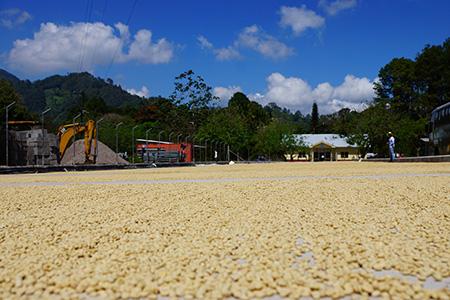
Introduction to the flavor description of Cajan coffee beans in Burundi Bulongdi Champion processing Plant
Burundian Champion processing Plant Cayan Coffee beans Flavor description [Bulongdi Champion processing Plant] is located in the Mardadi Peak of the Panjia processing Plant in Cabuye District, Cajun Province, Burundi. The elevation is very high, and there are even mountains over 2000 meters above sea level. The soil is fertile, the soil is humid, and it is very suitable for the growth of coffee. It is recognized as the best coffee processing plant in Burundi.

Buwai (Bwayi) processing plant introduces Burundian AA coffee flavor description baking suggestion
For the exchange of professional baristas, please pay attention to the coffee workshop (Wechat official account cafe_style) Burundi AA- Buwai (Bwayi) processing plant Burundi is located in the heart of Africa. It has been growing and producing coffee since 1930. Most of the varieties are bourbon species like those in neighboring Luanda. Coffee grows on mountains 1250-2000 meters above sea level, and about 800000 families in Burundi are growing it.

Burundi Heart of Africa, one of the world's poorest countries, minority producing areas, coffee is delicious
For more information on coffee beans, please follow Coffee Workshop (Wechat official account cafe_style) Coffee, a mysterious liquid that makes people intoxicated. It can be refreshing or enjoyable. Coffee is a warm but not powerful catalyst that directly melts the depths of your soul. Geisha coffee beans, once ranked by Forbes as one of the top 10 most expensive coffee in the world, for the first time.

Introduction to the flavor description of Cajan coffee beans in Burundi Bulongdi Champion processing Plant
Burundi has the most diverse and successful coffee industry in the world, and has its own characteristics. Coffee in this country was introduced by Belgian colonists in 1930 and is now grown only on small farms. Unfortunately, many of these farms are on the border with war-torn Rwanda, putting pressure on coffee production. Coffee produced in Burundi.

Characteristics of coffee producing area in Burundi introduction of boutique coffee beans in Burundi
Characteristics of Burundi Coffee: Burundi (Burundian) has the most diverse and successful coffee industry in the world, and has its own characteristics. Burundian coffee is fragrant and has excellent acidity. Flavor: mellow taste, rich aroma, excellent acidity recommended roasting method: medium to deep roasted Burundian (Burundi) coffee was roasted by Belgian colonists in 1930

Introduction of coffee beans in Kazan Manor, Burundi _ description of the characteristics and flavor of Burundian coffee beans
Professional coffee knowledge exchange more coffee bean information please follow Coffee Workshop (Wechat official account cafe_style) Yandaro | Burundian Coffee Burundi production area: Kayanza, Northern Burundi Variety: Bourbon, Jackson, and Mibirzi altitude: 1760-1850m treatment: washed scaffolding Sun (African beds) Burundi

This paper briefly introduces the characteristic growing environment of Angolan coffee beans, Burundi coffee beans and Cameroon coffee beans.
Professional coffee knowledge exchange more coffee bean information Please follow Coffee Workshop (Wechat official account cafe_style) Angola was once a big coffee producer. In the mid-1970s, Angola (Angola) exported 3.5 million bags of coffee a year, 98% of which was Robex (which may be the best Robbins coffee in Africa). In 1990, total production dropped to 20%.

Introduction of coffee beans at Gaterama Gatruma Manor in Burundi. How can Burundian coffee be made good?
Professional coffee knowledge exchange more coffee bean information please follow the coffee workshop (Wechat official account cafe_style) CREMA TREKKERS: explore MUYANGE Burundian NKONGWE HILL Nkongwe Hill,Muytange Burundian single origin Burundian coffee bean varieties introduction Burundian single-source coffee beans are natural bourbon species, grown in Gaterama processing plant
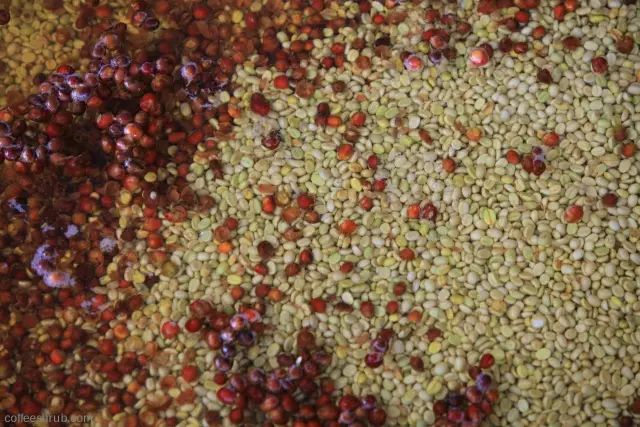
Heart of Africa Burundian Coffee | small and beautiful inland produced world-famous washed coffee
Professional coffee knowledge exchange more coffee bean information please follow Coffee Workshop (Wechat official account cafe_style) Burundi Rutana Burundian Heart of Africa country: Burundi Burundi producing area: Reuters Town Rutana altitude: 1400-1700 m treatment method: washing variety: bourbon species 01 | production area profile of Burundi, the heart of Africa.

Burundian coffee
Burundi is located in central Africa with a pleasant climate. Arabica coffee beans grown in the mountains of north-central Africa are of high quality and have won first prize and sixth place respectively in the coffee quality rating of Southeast African countries and the Paris Coffee Fair. According to the annual production of coffee beans in this country, the annual output is between 8000 and 35,000 tons, which is mainly sold to Europe.

Introduction of Burundian Coffee Flavor description Grinding scale Variety production area treatment method
Burundian Coffee Flavor description Grinding scale Variety production area treatment method the taste of Burundian coffee introduces the characteristics of Burundian coffee: Burundi (Burundi) has the most diverse and successful coffee industry in the world and has its own characteristics. Burundian coffee is fragrant and has excellent acidity. Flavor: mellow taste, rich aroma, excellent acidity recommended baking method: medium to

Burundian Coffee characteristics Burundian Coffee Flavor, introduction of Burundian producing areas
For information, please follow the coffee workshop (Wechat official account cafe_style) Burundian Coffee in 1920 the Belgian colonists brought coffee to Burundi to grow. As a result of the policy imposed by the Belgian colonists, by 1933, each farmer was required to plant at least 50 coffee trees. Burundi achieved independence in 1962 and coffee production was gradually privatized. Due to the overall political climate

Introduction of coffee flavor characteristics and double washing of coffee treatment in Burundi (Heart of Africa)
Burundi the Heart of Africa is located on top of the steep East African Rift Valley with complex terrain. More than 800000 of Burundian families depend on coffee cultivation for their livelihood, mostly on small-scale coffee plantations, planted at intervals from other crops, without mechanization. Coffee grows on mountains between 1400 and 1700 meters above sea level. Most of the varieties of coffee trees are bourbon and its varieties.

Introduction to the flavor and taste of Burundian boutique coffee beans in the growing environment.
There are two major ethnic groups in Burundi, and only about 15 percent of the Tutsi have ruled the country since the 16th century, controlling the civilian population, which is mainly made up of Hutu, plus a very small number of indigenous Twa. This abnormal social structure in which ethnic minorities occupy a high position has buried the evil seed of national instability, and in 1
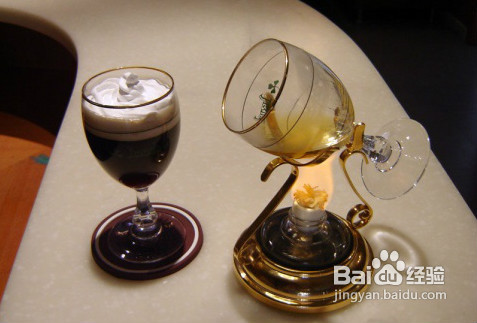
Burundi coffee flavor introduction Burundi coffee production introduction Burundi fine coffee beans
There are many plateaus and mountains in Burundi, most of which are composed of plateaus on the east side of the Great Rift Valley in East Africa. The average altitude of the whole country is 1600 meters, so it is called Mountain Country. Burundi can be divided into three regions according to its topography: the western plain region, which runs along the Ruzizi River, the Rift Albrtine plain region, with an altitude of 774 to 1000 m; and the central and western mountainous region, with an average altitude of 1700 m and the highest peak in Bujumbura

Story about the characteristics of Burundian Fine Coffee Bean producing country introduction to the method of hand flushing of Burundian Coffee Bean
Burundian coffee bears a striking resemblance to neighboring Rwanda, where coffee from the two countries is often confused. Burundian coffee is mainly grown in bourbon, with traditional wet processing of coffee cherries. Its boutique coffee is characterized by elegant sweetness and bright citrus aromas. Origin: Burundi

Recommendations for hand flushing of washed bourbon coffee at AA Cave Manor, Burundi. Introduction to Burundian coffee beans.
Professional coffee knowledge exchange more coffee bean information Please pay attention to Coffee Workshop (Wechat official account cafe_style) Burundi is located in eastern Africa, is a small landlocked country not near the sea, the country's land area is only 28000 square kilometers, but the people with agriculture as the main income is as high as 90%, of which coffee accounts for 80% of agriculture. It is no exaggeration that the coffee industry is here